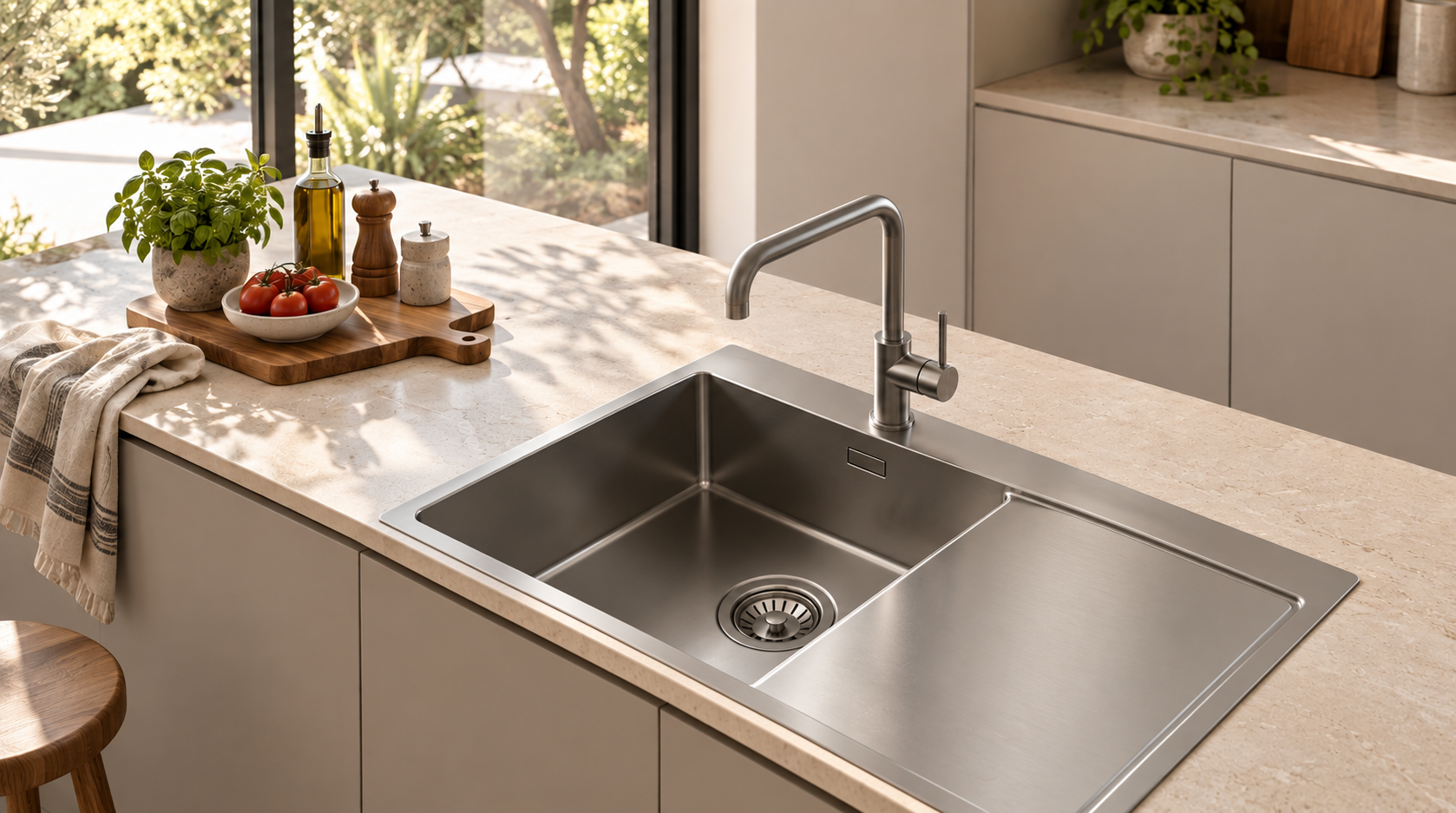
Stand at the sink in your kitchen's actual layout, or where it will be, and picture reaching for the drainer with a wet dish in hand. If the free counter space, the one that isn't blocked by a wall, appliance, or corner, sits to your left, choose a left-hand drainer. If it sits to the right, choose right-hand. This is decided by counter layout and available space, not by which hand you write with, and it's one of the only sink specifications that's effectively permanent once installed.
Why This Decision Matters More Than It Seems
A sink with an integrated drainer combines the basin and a ridged or grooved drying area into a single unit, cast or molded as one piece. Unlike a separate over-sink or freestanding drainer rack, the built-in drainer's side is fixed at manufacture. Once the sink is installed and plumbed, the only way to change it is to replace the entire sink, not just reposition an accessory.
This is different from almost every other sink decision, bowl configuration, tap position, finish, none of which lock in a single fixed workflow direction the way a built-in drainer does. Getting the side wrong doesn't ruin the sink's function, but it does mean fighting the layout every single time it's used, reaching across the basin, blocking the main workspace, or dripping water across a counter section meant for something else.
What "Left-Hand" and "Right-Hand" Actually Mean
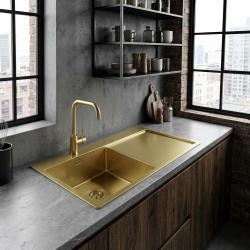
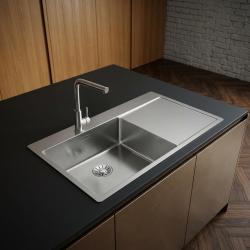
Drainer side is described from the perspective of someone standing directly in front of the sink, facing it. A left-hand drainer has the ridged drying section on the left side of the basin, meaning the main open counter or working space is typically to the right. A right-hand drainer has the drying section on the right, with the working space to the left.
This naming convention is consistent across most manufacturers, but it's worth confirming on the specific product page before ordering, since a small number of listings describe it from the installer's perspective instead, which reverses the terms.

How to Choose the Correct Side for Your Kitchen
- Identify the free, open counter space next to the sink.
Stand at the sink location and look at which side has usable counter space, for setting down dishes, prepping food, or placing a cutting board, and which side is constrained by a wall, appliance, corner cabinet, or window. The drainer should sit on the side that's already tighter or less useful for other tasks, freeing the more open side for active work. - Consider the direction water and dishes naturally flow during use.
Most people wash in the basin, then move the item directly to the drainer without recrossing the counter. If your counter's workflow runs left to right (perhaps because the dishwasher, stove, or prep area sits to the left), a right-hand drainer often continues that flow more naturally, and vice versa. - Check what's directly beside the sink, not just nearby.
A drainer positioned toward a wall, appliance, or narrow counter run wastes its own function, since there's nowhere for water to drip usefully or for stacked dishes to sit without overhanging into an obstruction. The open, unobstructed side should always host the drainer, regardless of general kitchen flow. - Dominant hand matters less than layout, but isn't irrelevant.
Some people do have a mild preference tied to which hand they wash with, since it affects the angle of reaching from the basin to the drainer. If layout doesn't strongly favor one side, handedness can be the tiebreaker, but layout constraints should take priority when the two conflict.
Common Kitchen Layouts and the Side They Usually Favor
|
Layout situation |
Drainer side that usually works better |
Why |
|
Sink against a left-side wall, open counter to the right |
Left-hand drainer |
Drainer sits against the constrained side; open counter stays clear for prep |
|
Sink against a right-side wall, open counter to the left |
Right-hand drainer |
Same logic, mirrored |
|
Sink in a corner, working counter extending to one side |
Drainer on the side opposite the corner |
Keeps the drainer from overhanging into an unusable corner space |
|
Sink between two appliances (dishwasher one side, stove other) |
Drainer facing the dishwasher side |
Shortens the distance between washing, drying, and loading |
|
Galley kitchen, counter continues on both sides |
Either, based on which side has more contiguous counter length |
Longer open run benefits more from staying unobstructed |
What Happens If You Choose the Wrong Side
A mismatched drainer doesn't stop the sink from functioning, but it creates a small daily friction that adds up: reaching across the basin rather than alongside it, water dripping toward a wall or appliance instead of a useful counter area, and a working space that feels cramped even when the sink itself is a reasonable size. Because the side is fixed into the sink's casting or molding, correcting this after installation means replacing the sink entirely, not adjusting a bracket or accessory.
This is different from a drainer board or rack purchased separately, which can simply be flipped, moved, or replaced independently of the sink. An integrated drainer's side is a one-time decision made at the point of ordering.


A Note on Reversible and Double-Drainer Options
Some manufacturers offer sinks with a drainer on both sides, or reversible drainer inserts, which remove the need to choose a permanent side. These are worth considering specifically in a kitchen where the layout might change (a future renovation, an island reconfiguration) or where two people with different preferences regularly use the sink. They typically come at a size or price premium compared to a single fixed-side drainer, since they need a larger overall basin footprint to accommodate drying space on both sides.
Common Mistakes
- Choosing left or right based on which hand you write with, without checking the actual counter layout
- Ordering before confirming the sink's final position in a kitchen still being planned or renovated, when the layout itself might shift
- Assuming drainer-side terminology is described from the same perspective across every manufacturer, without checking the specific product listing
- Placing a drainer toward a wall, window, or appliance simply because that's where the sink "naturally" seems to face, without checking which side actually has usable counter space
- Not accounting for a nearby dishwasher or drying rack's position when deciding which drainer side shortens the overall workflow
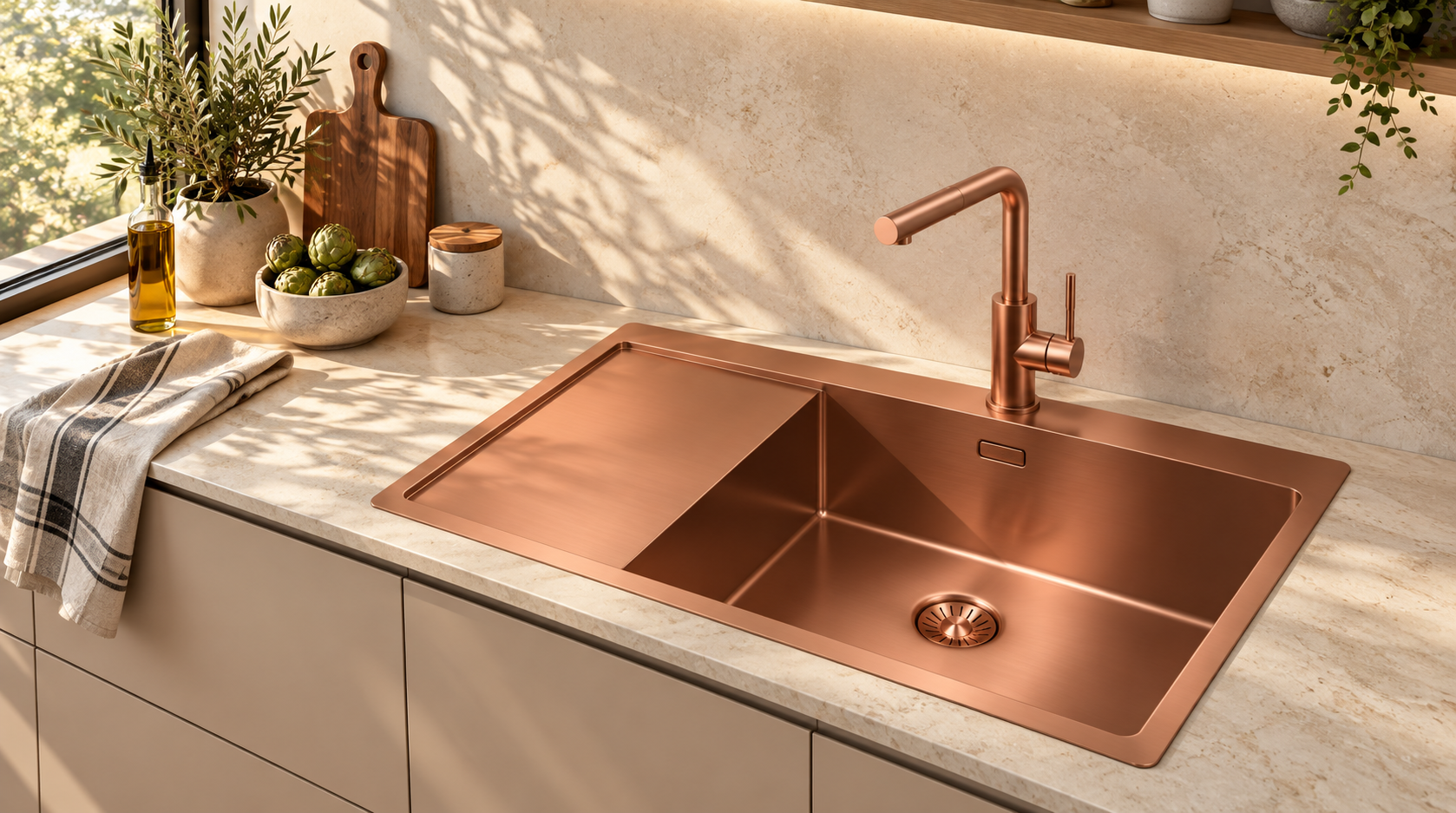
Drainer side is a layout decision, not a style preference, and it's one of the few sink specifications that's effectively permanent once installed. Stand at the sink's intended location, identify the open, unobstructed counter side, and let that decide left or right, dominant hand only as a tiebreaker when the layout itself doesn't clearly favor one side.
FAQ
How do I know if a sink is described as left-hand or right-hand from my perspective or the installer's?
Most manufacturers describe drainer side from the perspective of someone standing in front of the sink facing it, the same view you'd have while washing dishes. Always confirm this on the specific product listing before ordering, since a small number of manufacturers use the reverse convention.
Can I change the drainer side after the sink is installed?
No, not without replacing the entire sink. The drainer side is fixed into the basin's casting or molding at manufacture, unlike a separate drainer rack or board, which can be repositioned or flipped independently.
Does it matter which hand I wash dishes with?
It has some relevance but matters less than the kitchen's actual counter layout. If the open, usable counter space clearly sits to one side, that should generally decide the drainer side regardless of handedness. Use dominant hand only as a tiebreaker when the layout doesn't strongly favor either side.
What's a reversible drainer sink, and is it worth the extra cost?
A reversible or double-drainer sink offers drying space on both sides, or an insert that can be flipped, removing the need to commit to one permanent side. It's worth considering for a kitchen with an uncertain future layout or shared use by people with different preferences, though it typically costs more and needs a larger basin footprint than a single fixed-side drainer.
Should the drainer face the dishwasher or the stove?
Facing the dishwasher generally shortens the workflow between washing, drying, and loading, which is useful if that's the main task the sink handles. If the sink's main use is food prep near the stove, orienting the drainer toward that side instead may suit the kitchen's actual workflow better.
What if my counter has open space on both sides of the sink?
In that case, drainer side becomes more flexible, and factors like dominant hand, the position of a dishwasher or drying rack, or which side has the longer contiguous counter run can reasonably decide the choice.


